Every B2B sales team eventually faces the same challenge.
You identify the right company.
You craft a thoughtful outreach message.
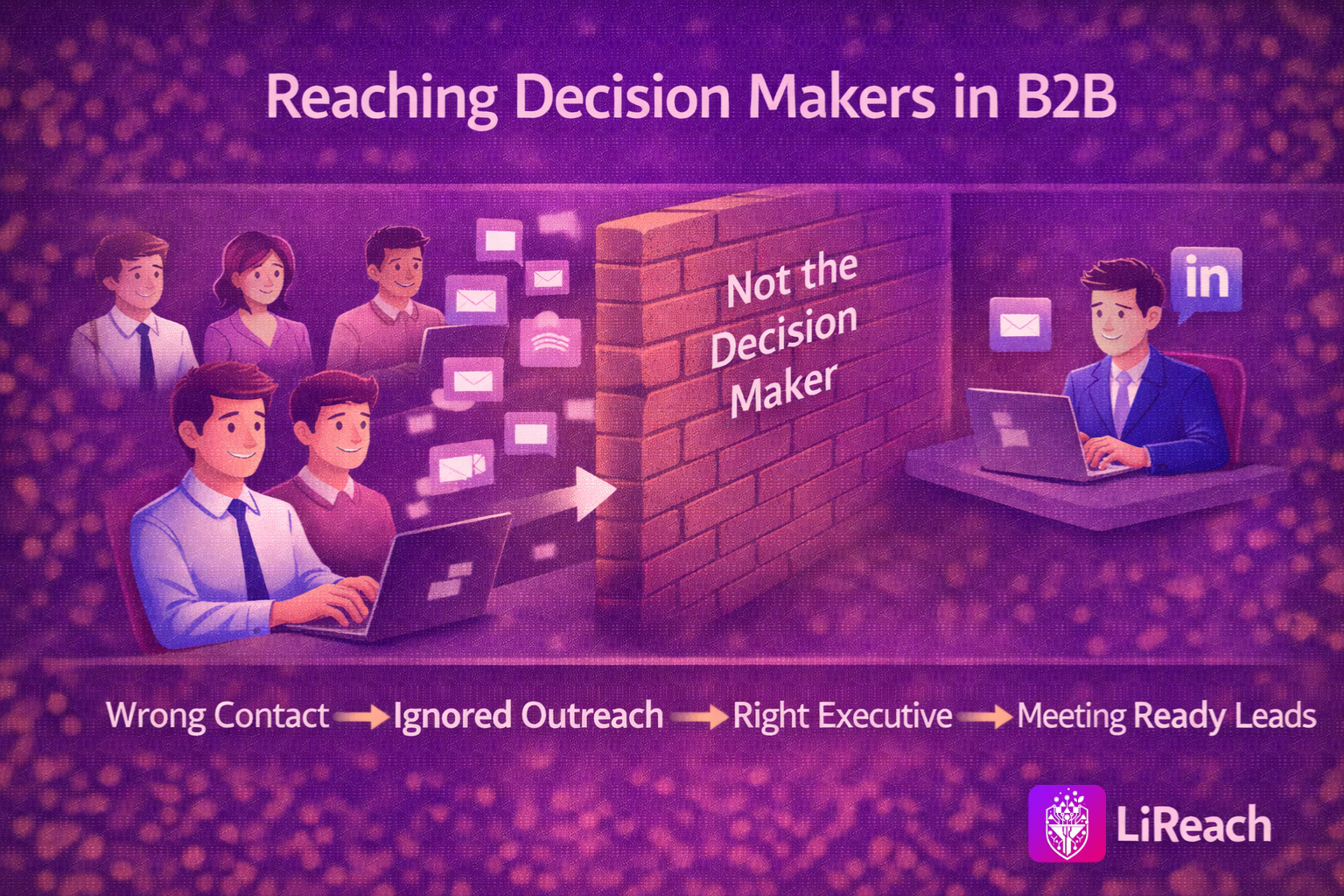
But the conversation never reaches the person who can actually make the decision.
Instead, it gets blocked by someone in the middle.
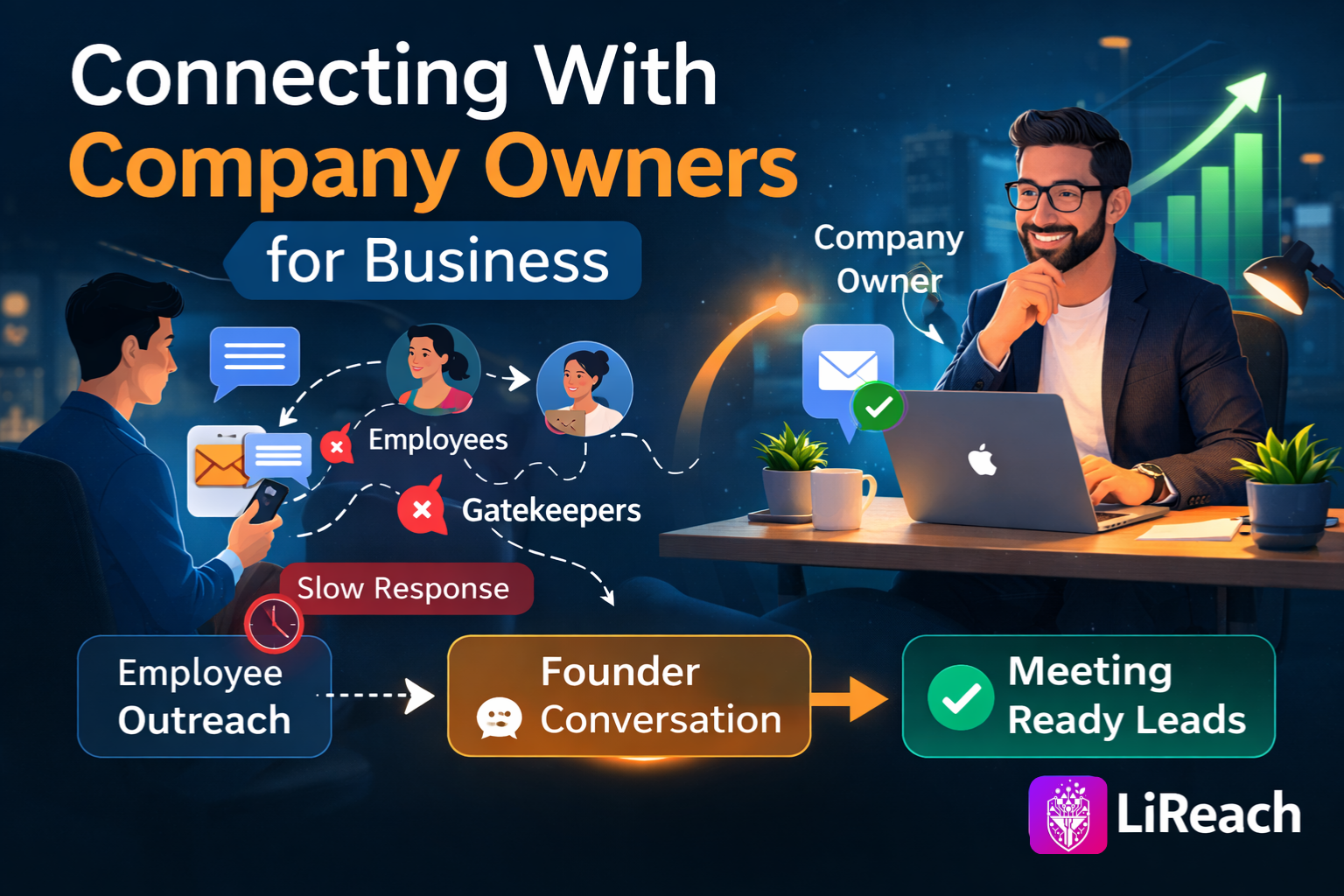
An assistant, a junior employee, or an internal contact who simply forwards the message into silence.
In B2B sales this person is commonly called a gatekeeper.
Gatekeepers are not trying to stop deals.
Their role is to protect the time of executives and decision makers.
The challenge for sales teams is learning how to reach decision makers without getting stuck in this layer of communication.
At LiReach, when we analyze outbound campaigns that successfully generate meeting ready leads, one pattern appears consistently.
The outreach is designed to reach the decision maker directly.
Why Gatekeepers Exist in B2B Sales
Executives receive hundreds of messages every week.
Emails, LinkedIn messages, introductions, and sales pitches arrive constantly.
Without a filtering layer, leaders would spend most of their time responding to outreach.
Gatekeepers help filter these conversations.
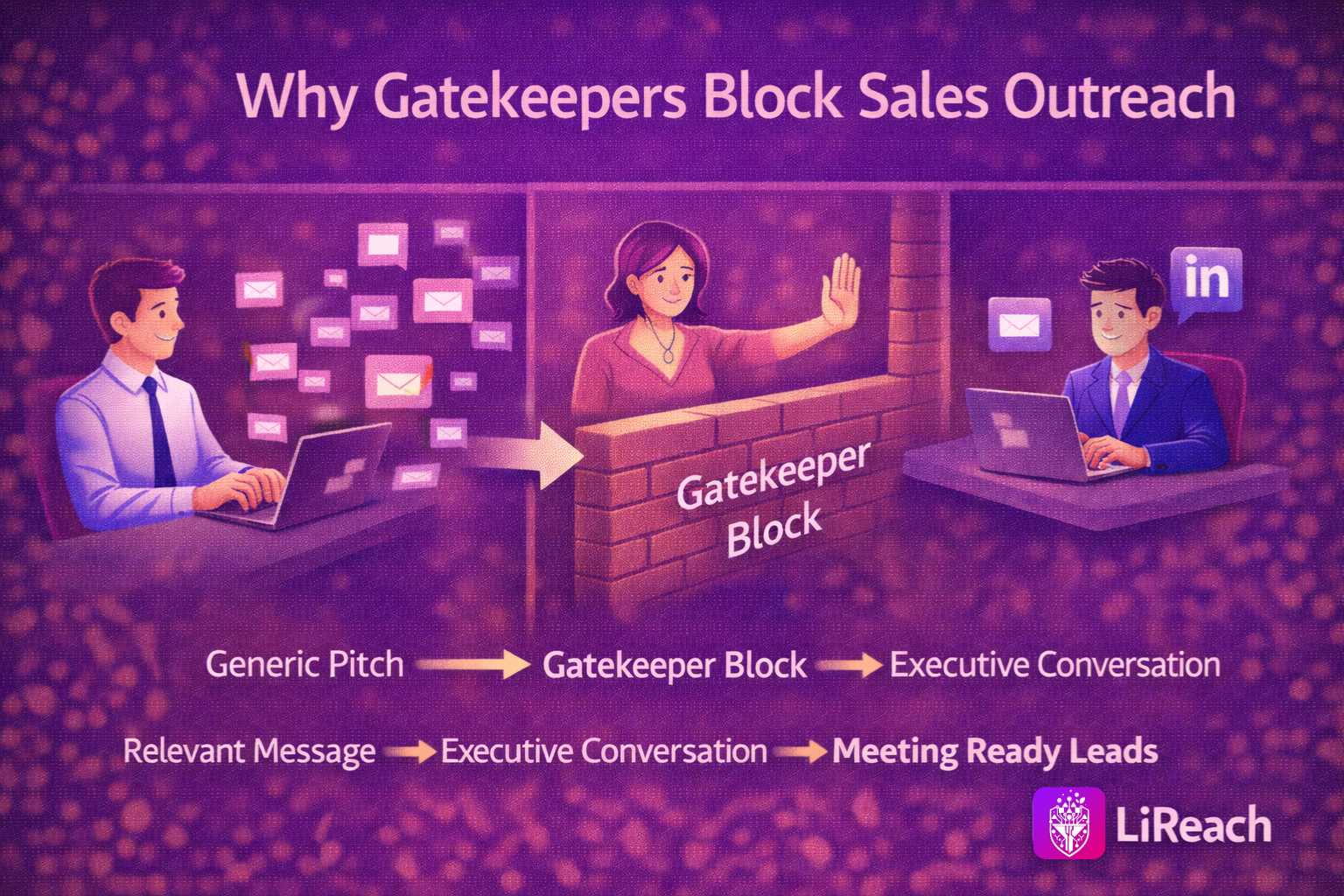
The problem is that many sales messages look identical.
They are generic, sales-focused, and easy to ignore.
When a gatekeeper sees a typical pitch, it rarely reaches the executive.
The Real Goal Is Not Avoiding Gatekeepers
One important mindset shift is necessary.
The goal should not be tricking or bypassing gatekeepers.
The real goal is making your outreach relevant enough that it deserves executive attention.
When a message clearly connects to a business priority, it often moves forward naturally.
Step One: Identify the Real Decision Maker
Before sending outreach, it is critical to know who actually owns the problem your solution solves.
For example:
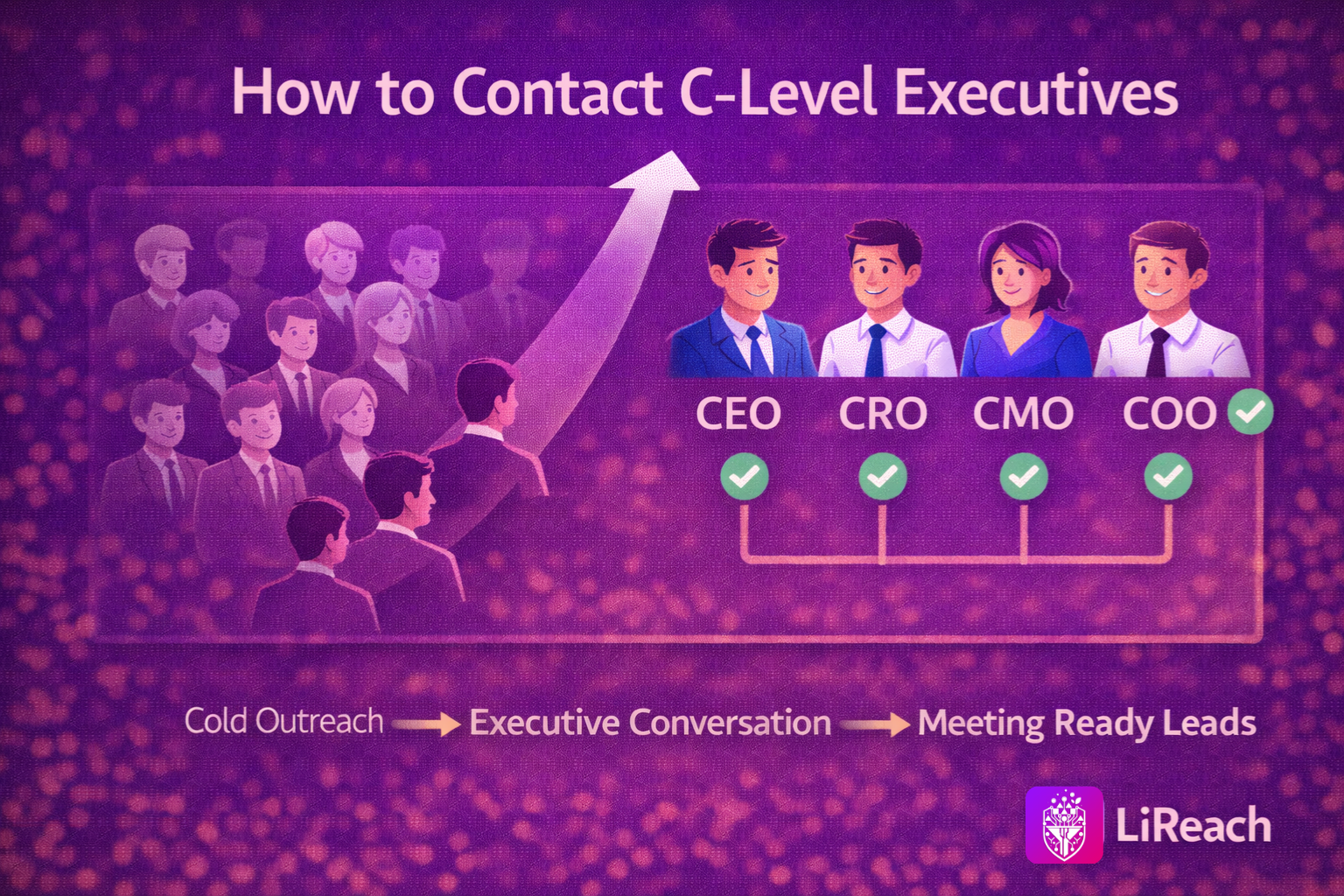
- If the solution impacts revenue growth, the decision maker may be a CRO.
- If the solution improves marketing performance, the buyer may be a CMO.
- If the solution improves operations, the decision maker might be a COO.
Many outreach campaigns fail because the message targets someone who cannot influence the decision.
Even if the message is good, it will rarely move forward.
Step Two: Use Context Instead of Generic Messaging
Gatekeepers and executives both recognize generic outreach instantly.
Messages that sound like mass sales pitches rarely receive attention.
Instead, effective outreach references something specific about the company.
This might include:
- a recent hiring trend
- a new product launch
- a funding announcement
- a strategic shift in the industry
Context signals that the message is thoughtful rather than automated.
Step Three: Focus on Starting Conversations
Many sales messages fail because they try to sell immediately.
Executives rarely respond to product pitches from strangers.
However, they are much more open to conversations about business challenges.
A strong outreach message might simply explore a problem.
For example:
""Many B2B teams struggle to turn outbound outreach into real buyer conversations. Curious how your team approaches this today.""
This type of message feels like a conversation rather than a sales attempt.
Why Direct Executive Conversations Matter
When outreach finally reaches the decision maker, the dynamic changes completely.
Executives understand the strategic impact of solutions quickly.
They can evaluate ideas faster and move conversations forward.
This is why conversations with decision makers often turn into meeting ready leads.
Instead of long qualification processes, discussions move directly toward potential value.
The LiReach Perspective
At LiReach, we believe outbound success is not about sending more messages.
It is about starting better conversations.
The most effective campaigns focus on:
- identifying the real buyer
- crafting relevant outreach
- reaching decision makers directly
- generating meeting ready leads
When outreach is designed this way, sales pipelines become more predictable.
Final Thought
Gatekeepers are not the real problem in B2B sales.
The real problem is irrelevant outreach.
When messages speak directly to executive priorities, they naturally reach the right people.
And those conversations are what ultimately create new business opportunities.
Join 2,000+ Sales Leaders
Get advanced LinkedIn strategies, automation tips, and templates delivered to your inbox weekly. No spam, just value.