One of the most frustrating experiences in outbound sales is sending dozens of outreach messages and receiving almost no replies.
You carefully build prospect lists.
You write cold emails.
You send LinkedIn messages.
Yet the response rate stays extremely low.
Many founders assume this means prospects simply dislike cold outreach.
But that assumption is rarely correct.
At LiReach, after analyzing thousands of outreach conversations across B2B companies, we discovered that prospects do respond — when the outreach feels relevant and human.
The companies that consistently generate meeting ready leads understand one simple principle.
Outreach should start conversations, not sales pitches.
Why Most Outreach Messages Fail
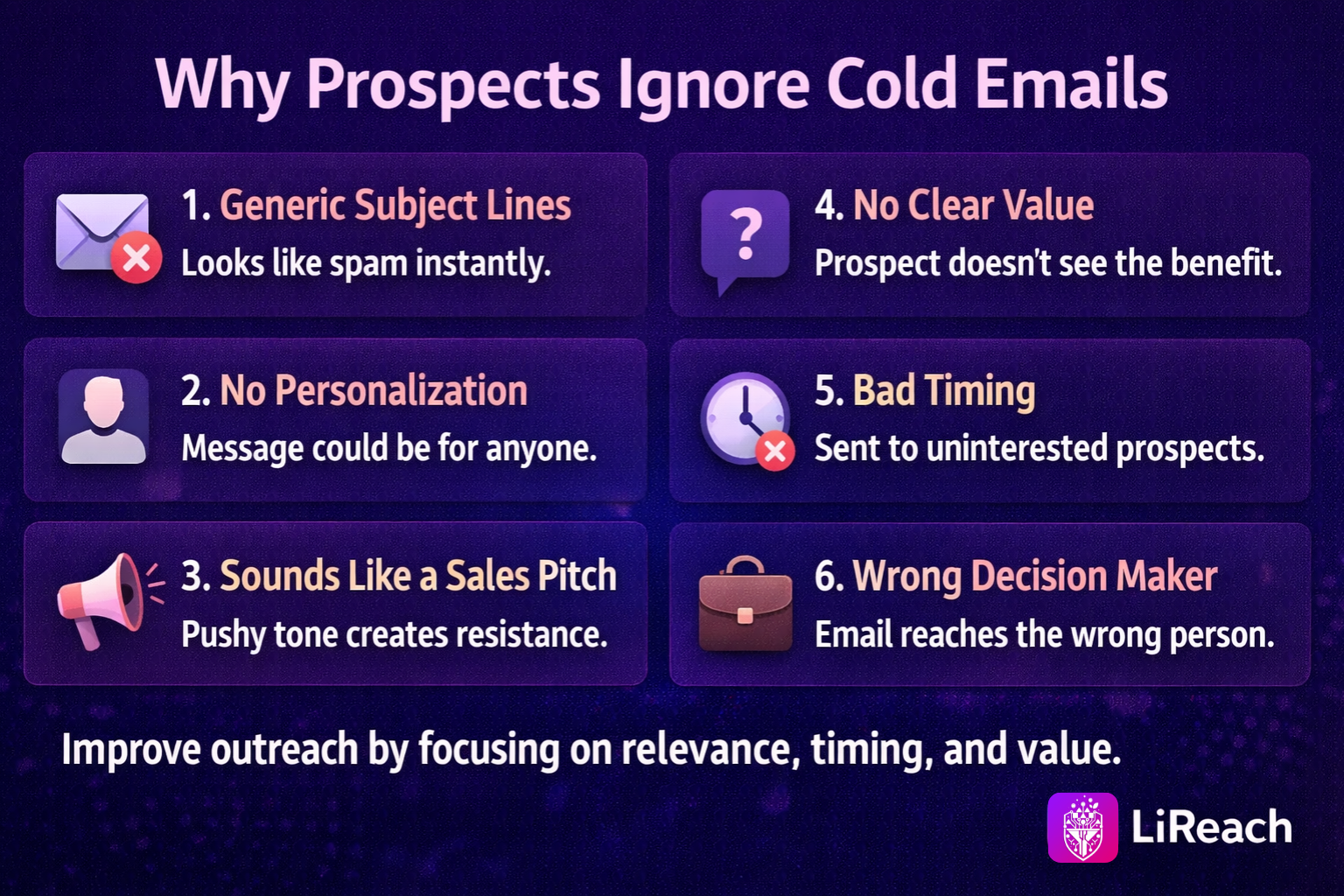
Before learning how to improve response rates, it helps to understand why prospects ignore outreach in the first place.
Across most outbound campaigns, we see the same patterns:
- The message feels automated
- The sender immediately tries to sell
- The prospect is not the right decision maker
- The message is too long
When outreach contains these issues, even sending thousands of messages rarely produces meaningful conversations.
Start With the Right Prospect
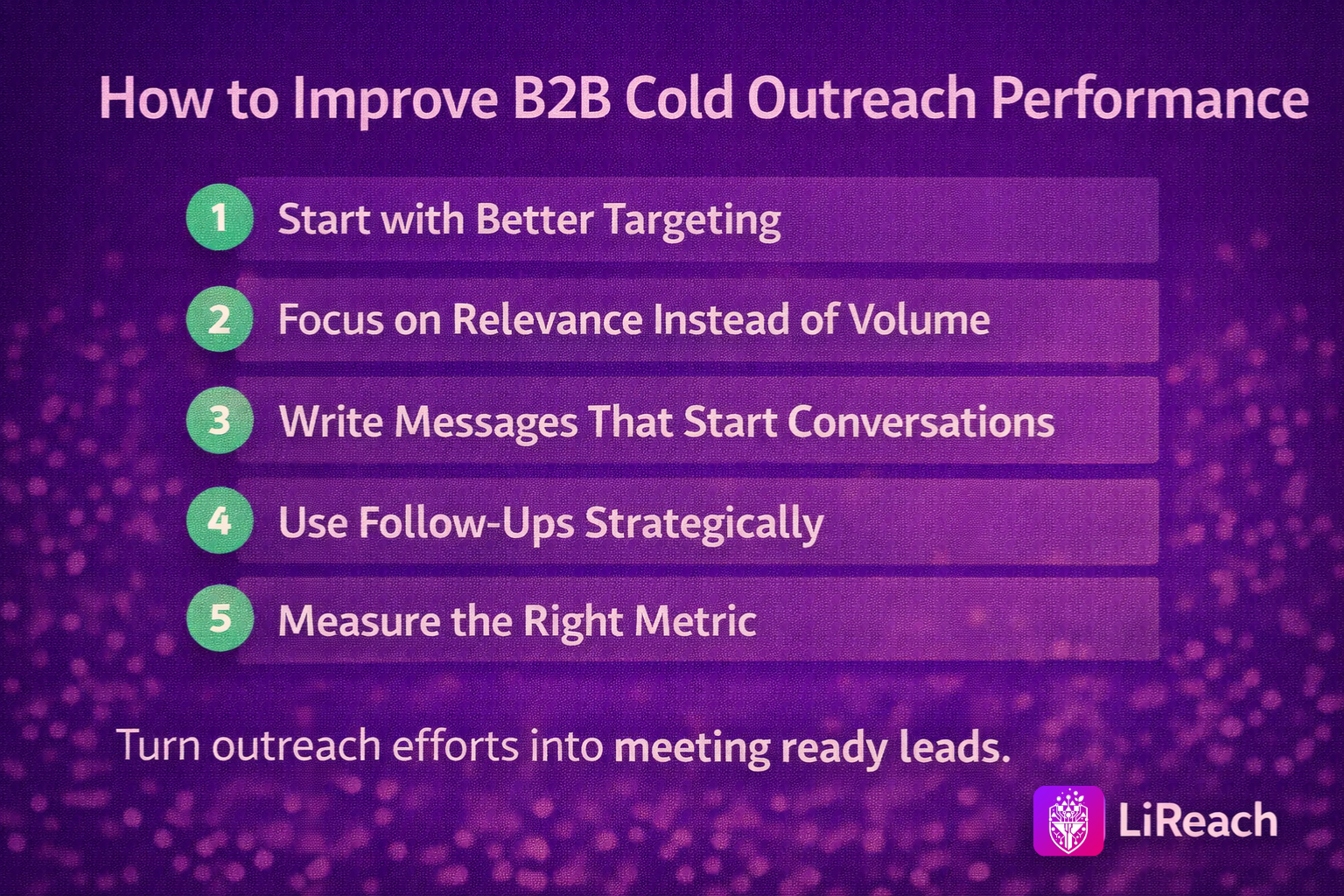
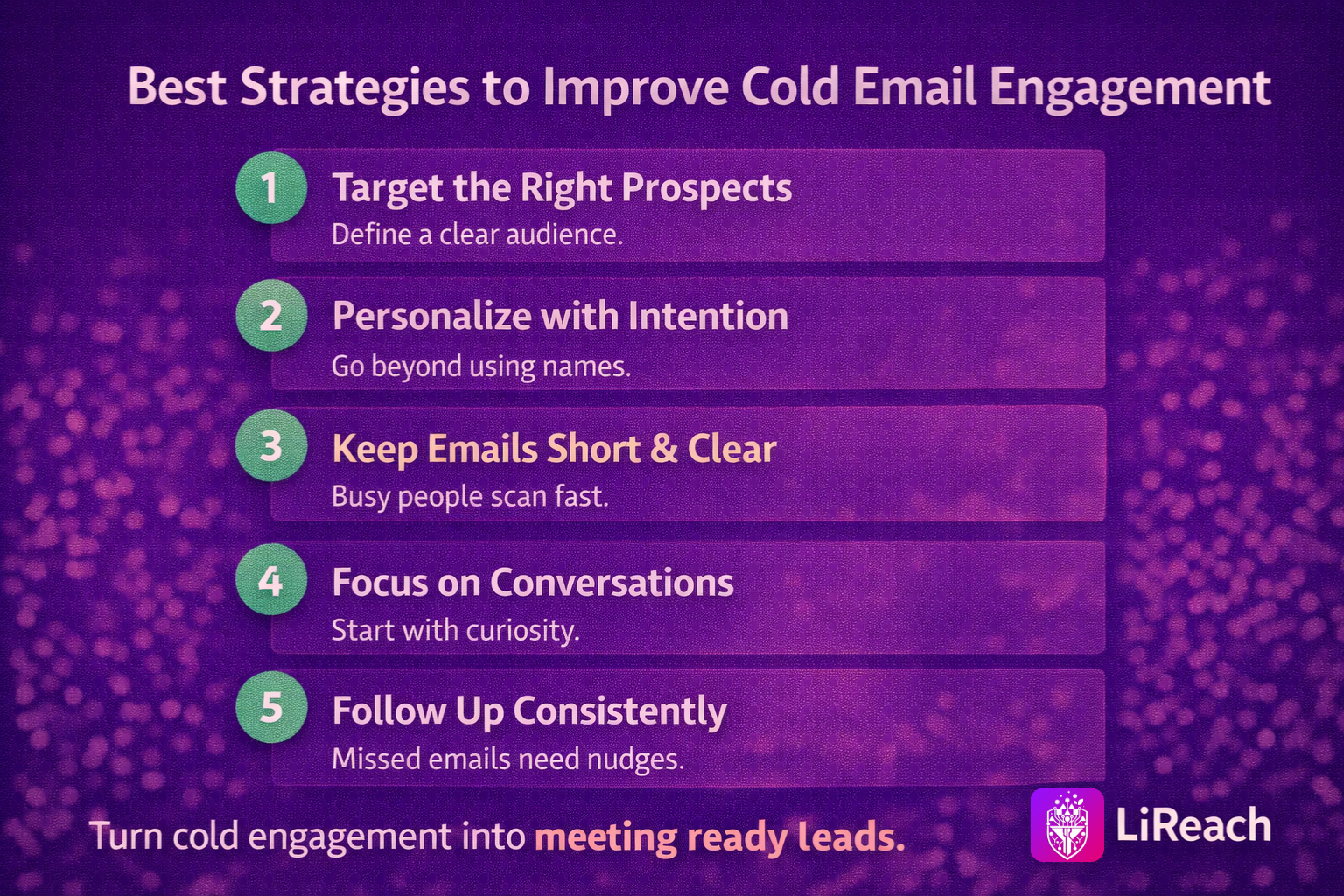
The first step in improving responses is targeting.
If the prospect does not have the problem you solve, they will not respond.
Successful outbound teams define a clear ideal customer profile based on factors like:
- Industry
- Company size
- Growth stage
- Decision-maker role
When outreach focuses on the right audience, response rates improve dramatically.
Write Messages That Feel Human
Prospects receive dozens of outreach messages every week.
Most look identical.
Messages that feel conversational stand out immediately.
Instead of starting with a sales pitch, successful outreach often begins with a simple observation or question related to the prospect’s business.
This makes the message feel personal instead of promotional.
Keep the Message Short
Long outreach messages rarely work.
Busy professionals scan messages quickly.
The most effective outreach messages are clear and concise.
Many high-performing outbound campaigns use messages under 100 words.
Short messages increase the chances that prospects will actually read and respond.
Ask a Simple Question
Outreach should invite interaction.
A well-placed question encourages prospects to reply.
Instead of pushing for a meeting immediately, asking a short, relevant question creates a natural conversation.
Use Follow-Ups Thoughtfully
Many replies happen during follow-ups.
Busy professionals often miss the first message.
A simple follow-up a few days later can significantly increase response rates.
The key is avoiding repetitive sales pitches and instead continuing the conversation naturally.
From Replies to Meeting Ready Leads
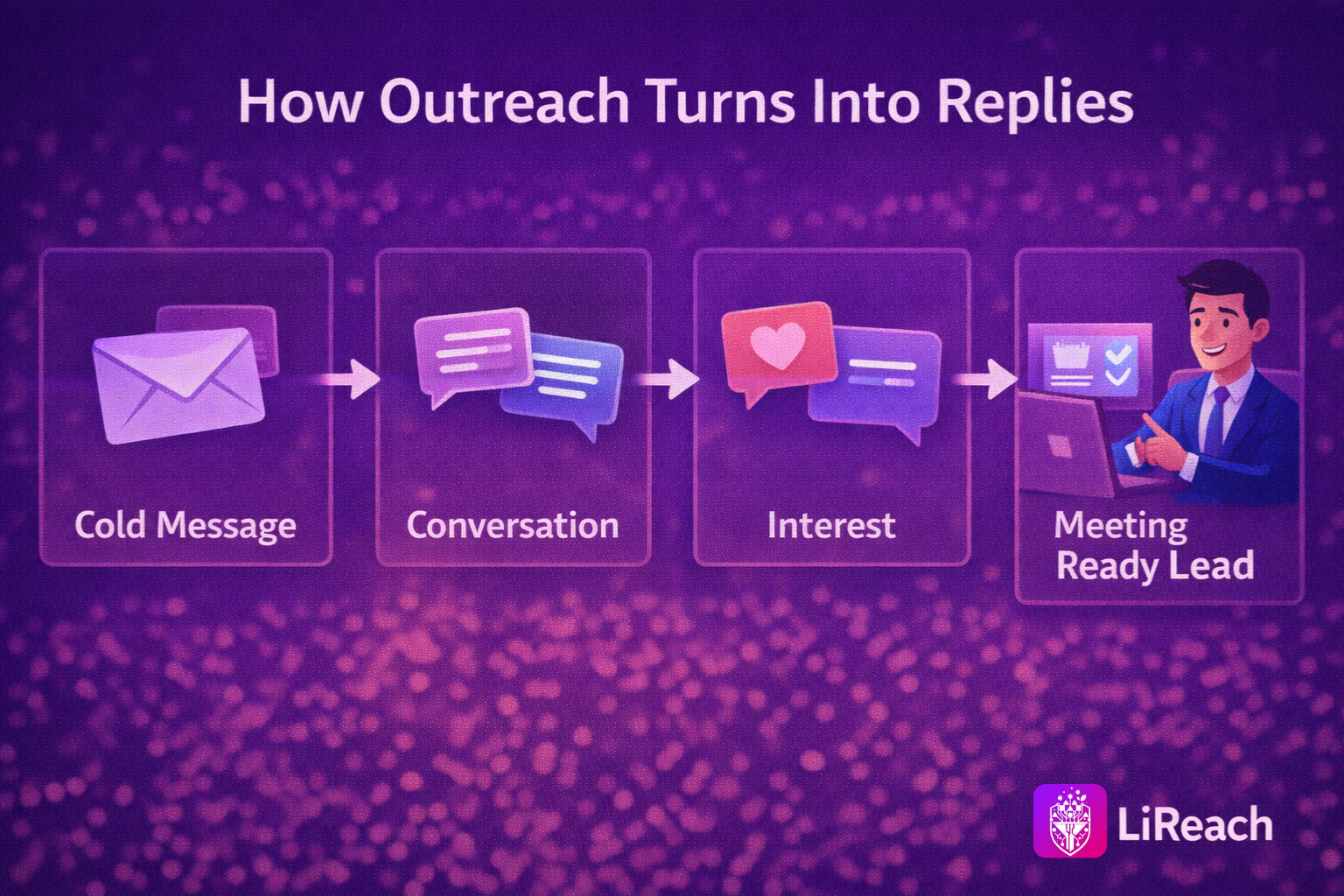
Getting a reply is only the first step.
The real goal of outreach is generating meeting ready leads.
These are prospects who:
- Match your ideal customer profile
- Recognize the problem you solve
- Are open to having a conversation
When outreach is built around relevance and conversation, these leads appear far more consistently.
The LiReach Perspective
At LiReach, we believe outbound should feel like a real business conversation.
Not mass messaging.
The most successful outbound teams combine:
- Precise prospect targeting
- Conversation-driven outreach
- Personalized messaging
- Systems designed to generate meeting ready leads
When these elements work together, outreach becomes one of the most reliable ways to build a predictable B2B sales pipeline.
Final Thought
Prospects do respond to outreach.
But only when the message feels relevant and human.
The companies that understand this transform outbound from ignored messages into meaningful conversations.
And every new deal begins the same way.
With a reply.
Join 2,000+ Sales Leaders
Get advanced LinkedIn strategies, automation tips, and templates delivered to your inbox weekly. No spam, just value.