Outbound sales often fails for one simple reason.
Follow-ups are not managed properly.
A founder sends the first outreach message.
The prospect does not respond immediately.
Then the follow-up never happens.
Or it happens randomly weeks later.
Without structured follow-ups, conversations disappear before they even begin.
Managing follow-ups effectively is one of the most important skills in outbound sales.
Why Follow-Up Management Matters
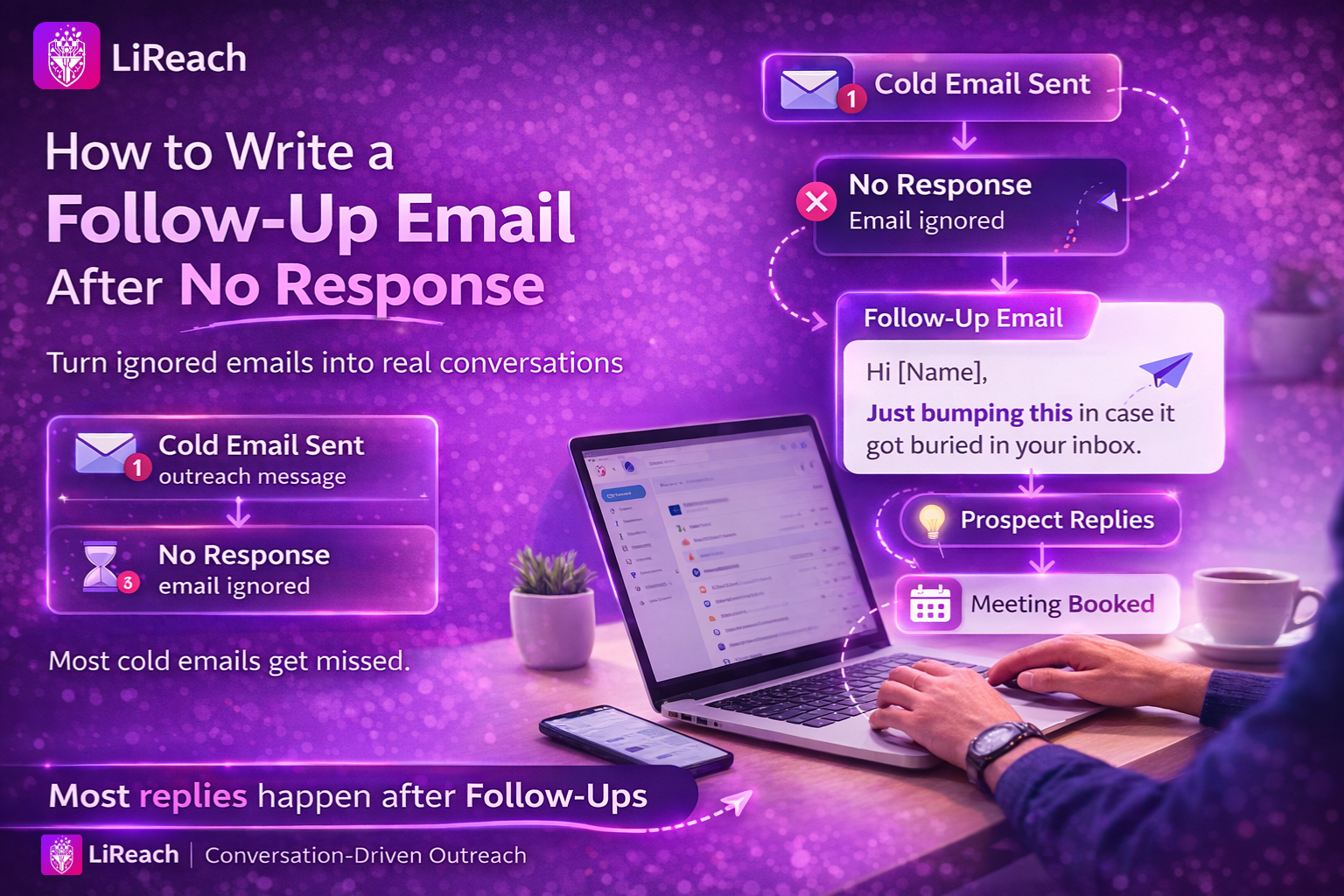
Most prospects do not reply to the first message.
Decision makers are busy.
Emails often arrive during meetings, travel, or overloaded inbox moments.
A follow-up simply brings your message back into the prospect’s attention.
Many successful outbound campaigns generate replies after the second or third follow-up.
This is why structured follow-up management is essential.
Common Follow-Up Management Problems
Many teams struggle with follow-ups because they lack a system.
Common problems include:
- forgetting to follow up with prospects
- sending inconsistent messages
- losing track of conversations
- sending too many follow-ups too quickly
Without a clear process, outreach becomes chaotic and ineffective.
The Ideal Follow-Up Structure
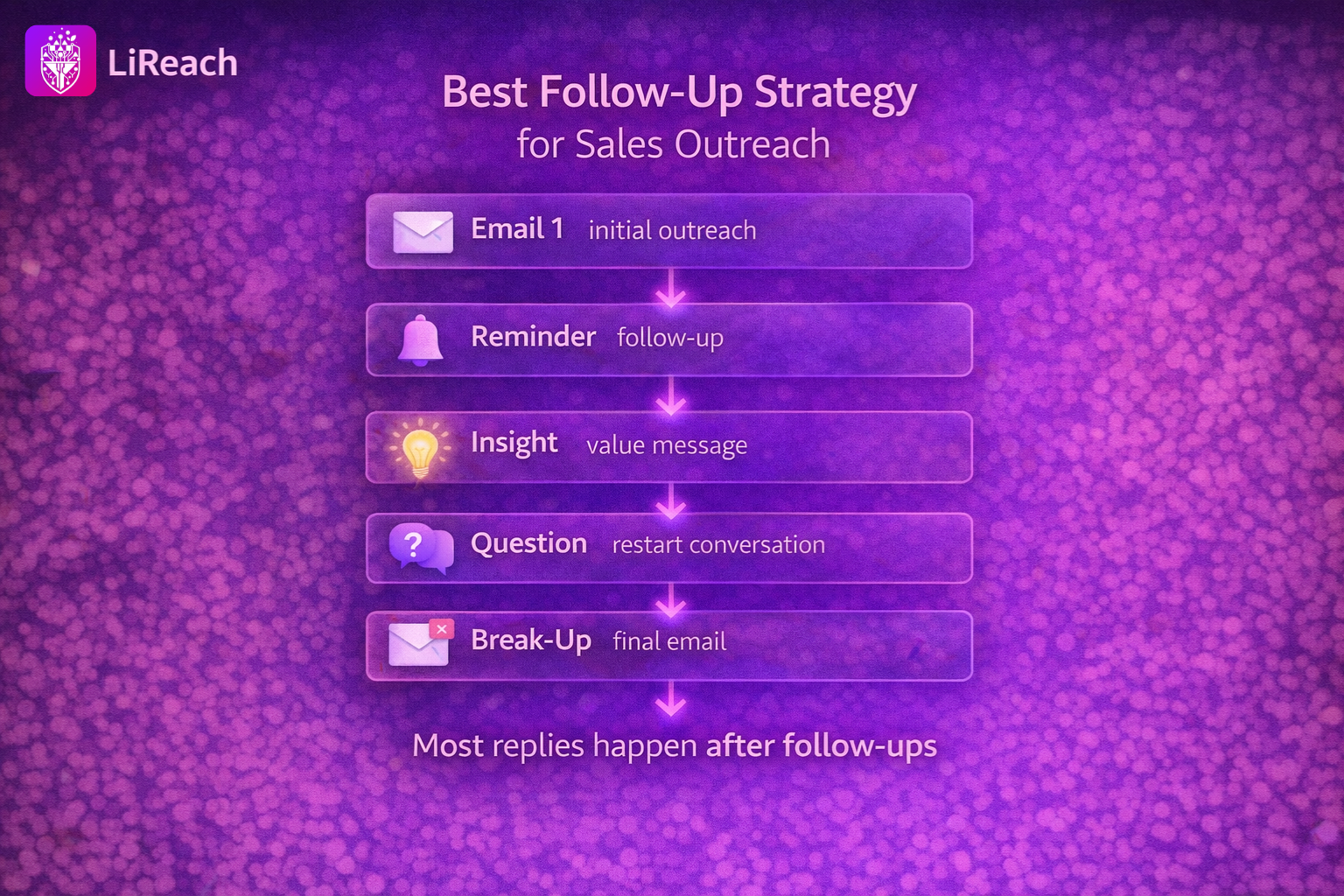
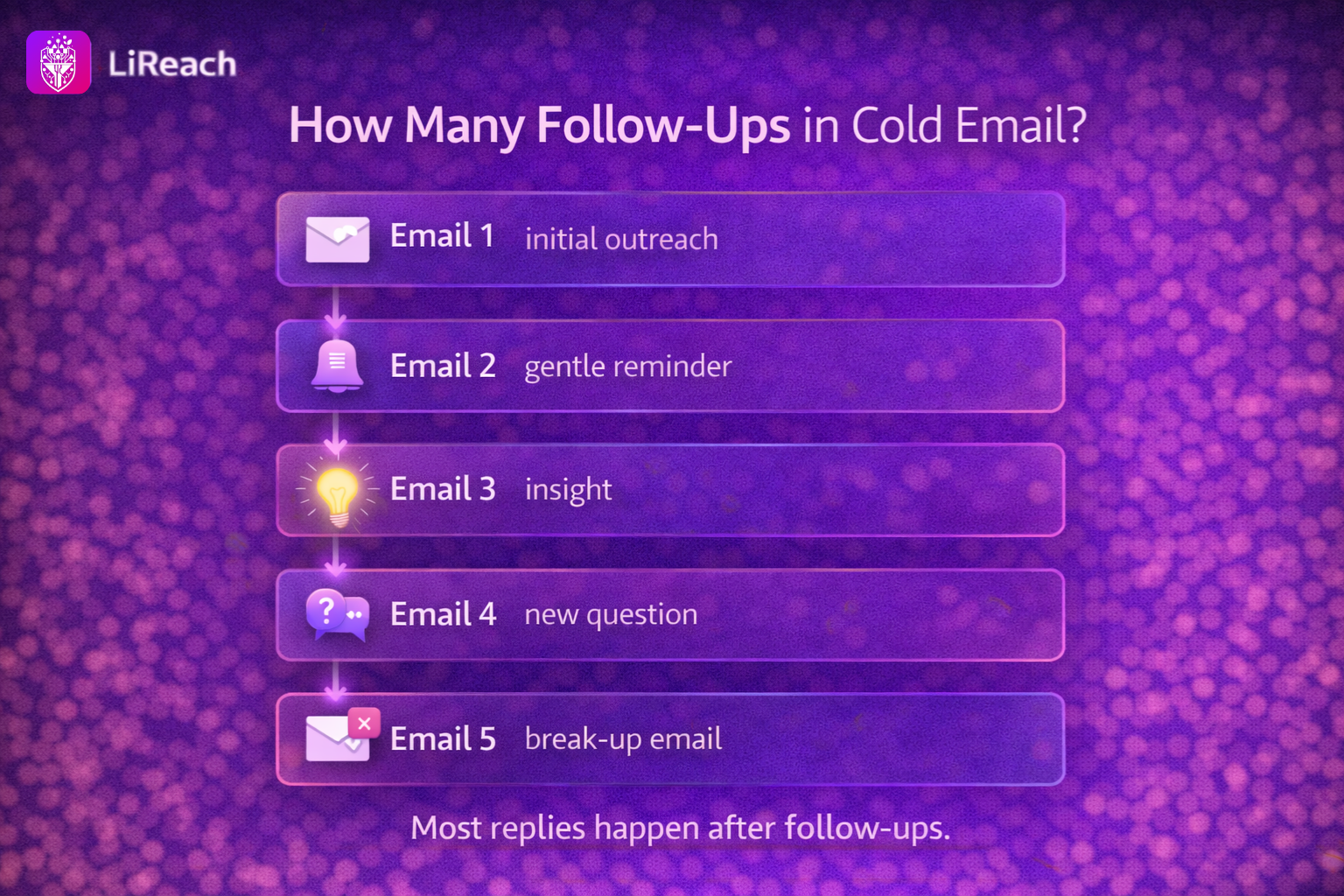
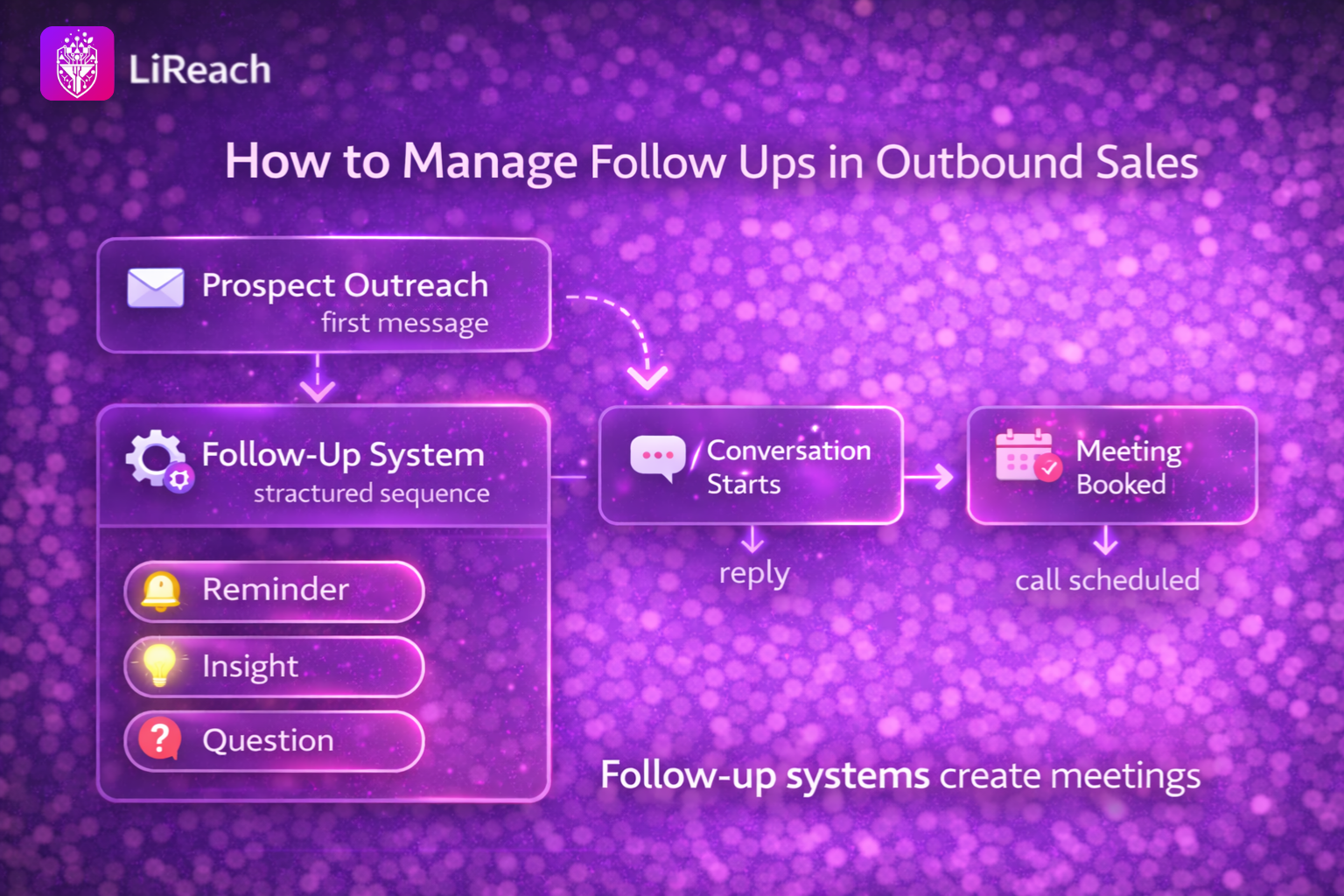
Strong outbound sales teams use a structured follow-up sequence.
A typical outreach flow might look like this:
Email 1 – Initial Outreach
Start with a relevant observation or context.
Example:
“Noticed your team recently expanded your SDR team — curious if outbound pipeline generation is becoming a bigger focus.”
Follow-Up 1 – Reminder
A short reminder helps bring attention back to the message.
Example:
“Just bumping this in case it got buried in your inbox.”
Follow-Up 2 – Insight
Share a small observation related to the prospect’s situation.
Example:
“Many founders we speak with struggle to convert outreach conversations into meetings.”
Follow-Up 3 – Question
Questions restart engagement.
Example:
“Curious — are most of your deals currently coming from inbound leads or outbound outreach?”
Follow-Up 4 – Break-Up Message
The final follow-up acknowledges that timing may not be right.
Example:
“Not sure if this is a priority right now, but happy to reconnect later if outbound growth becomes relevant.”
Best Practices for Managing Follow-Ups
1. Use a Structured Sequence
A predefined follow-up sequence ensures consistency.
2. Space Messages Properly
Follow-ups should be spaced a few days apart to avoid overwhelming prospects.
3. Add Value in Every Follow-Up
Each follow-up should add context, insight, or a question.
4. Track Conversations
Tracking prospect responses helps maintain meaningful engagement.
How LiReach Helps Manage Follow Ups
Managing follow-ups manually becomes difficult as outreach grows.
LiReach helps B2B teams automate and organize this process.
The platform helps teams:
- identify high-fit decision makers
- generate personalized outreach messages
- schedule automated follow-ups
- track conversation progress
This ensures that no prospect conversation is lost.
More importantly, outreach remains conversation-driven instead of spam-driven.
Final Thoughts
Follow-up management is the backbone of effective outbound sales.
Without it, most outreach campaigns fail to generate conversations.
But when follow-ups are structured, timed correctly, and relevant, prospects are far more likely to respond.
And those conversations eventually turn into meetings.
Join 2,000+ Sales Leaders
Get advanced LinkedIn strategies, automation tips, and templates delivered to your inbox weekly. No spam, just value.